On this page4 sections
Elephants are the reason many people book their first safari and the reason guides speak about them with a particular tenderness. They are intelligent, social, and easily misunderstood by visitors who want a dramatic photograph at any cost.
Body language worth learning
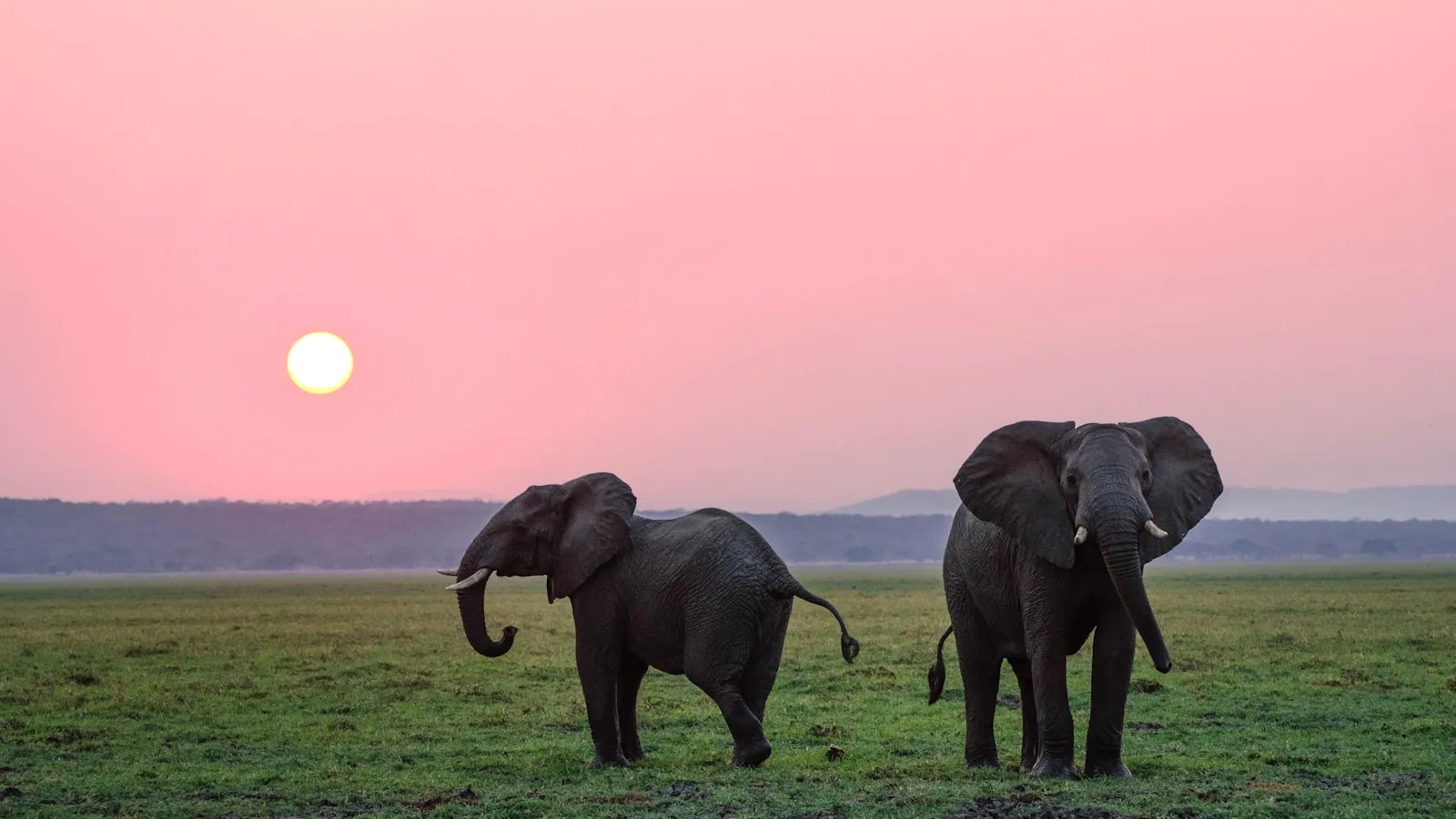
A relaxed herd feeds in loose formation. Ears flap gently for thermoregulation — not always a threat display. Watch the trunk: exploratory sniffing toward a vehicle is curiosity; a trunk held high and frozen may signal uncertainty.
Foot swinging, dust bathing, and playful shoving among calves all indicate comfort. A silent adult female facing you head-on with ears spread is asking for space. Give it immediately.
Why distance is non-negotiable
Professional guides maintain buffer zones set by park rules and by experience. Never ask them to inch closer for a better frame. Stressed elephants remember vehicles. Repeated harassment changes behavior across generations — a cost paid in conflict, not in likes.
Telephoto lenses exist precisely so you can honor distance while still telling a story. Some of the most powerful elephant images ever published were made from fifty meters away in soft morning light.
Family structure on display
Matriarchs lead. Young bulls test boundaries. Calves learn by imitation — if vehicles behave predictably and quietly, herds tolerate observation. If engines rev or doors slam, tolerance erodes.
Ethical observation checklist
Engine off when watching a stationary herd. No standing on seats or shouting. If an elephant changes course because of you, you are too close. The goal is to leave no trace in their day beyond the memory of a harmless box that smelled faintly of diesel and sunscreen.
About the author