On this page5 sections
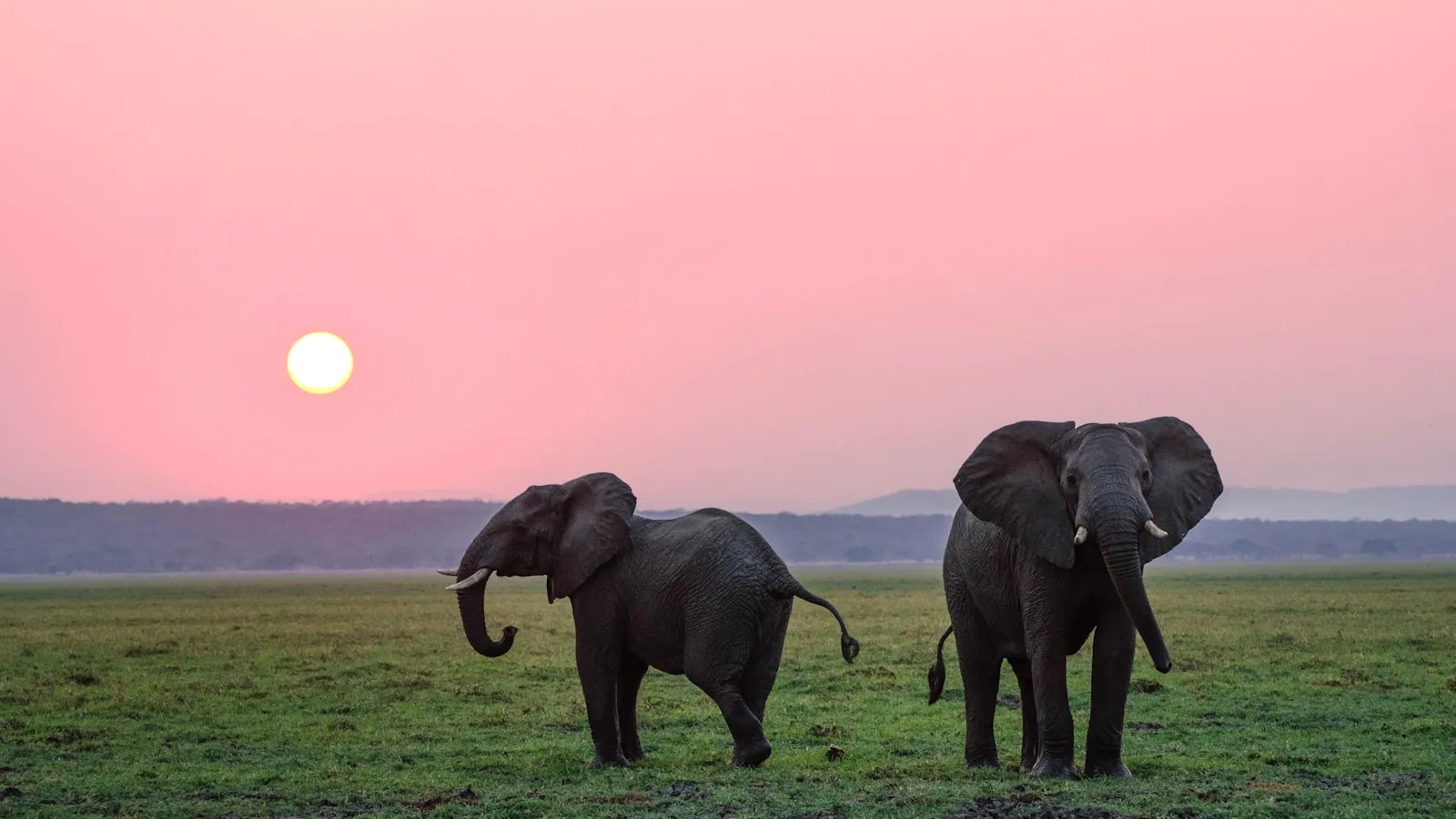
Golden hour on safari — the first and last hour of usable light — is when beginners accidentally look talented and professionals look inevitable. The low sun side-lights fur, warms grass, and forgives many sins of composition.
Exposure without panic
Shoot in aperture priority with Auto ISO capped around 6400 on modern bodies. Animals move; shutter speed below 1/500s often blurries a turning head. Check histograms for blown highlights on zebra stripes — recover shadows in raw, not blown whites.
Composition from a vehicle
You rarely choose your angle; the guide positions the car. Work with what you get: leave space in the frame for the animal to “look into,” keep horizons level, and include habitat for context — a lion in grass tells a different story than a lion on black.
Light direction matters more than gear
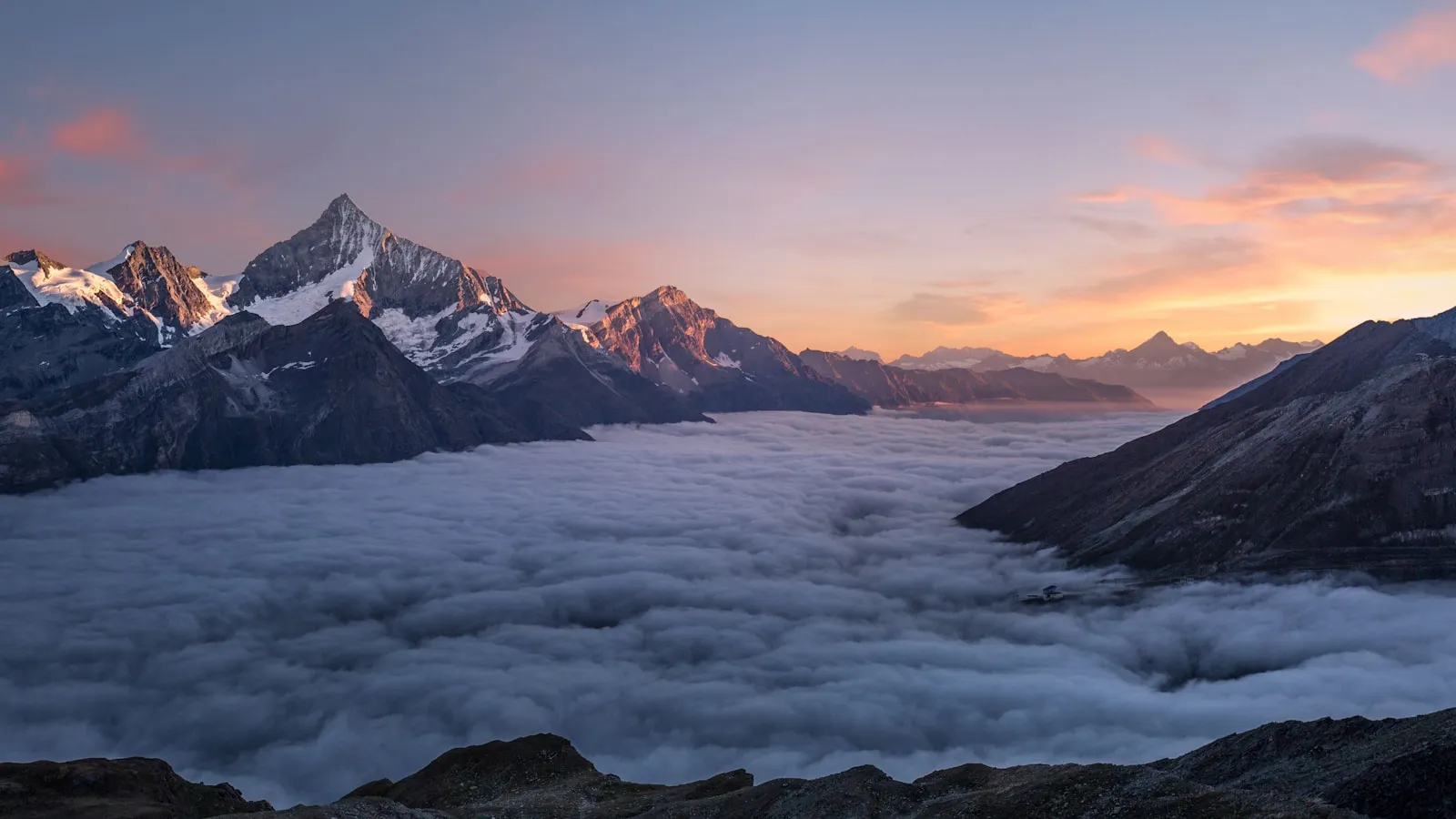
Front-lit subjects look flat. Side-lit subjects have dimension. Backlit subjects need exposure compensation or silhouettes become the story. Ask your guide quietly if a reposition for light is possible — good guides think photographically even when you do not.
Behavior beats portrait
A sharp eye close-up is satisfying once. A sequence — drinking, scanning, interacting — is what editors buy. Burst mode sparingly; cull ruthlessly later. The best safari photographers I know shoot fewer frames and watch longer.
Respect over portfolio
Never use flash on wildlife at night unless on an organized spotlight drive led by the camp. Never ask to leave the vehicle for a cleaner background. The image you skip because it stresses an animal is the one worth not having.
About the author